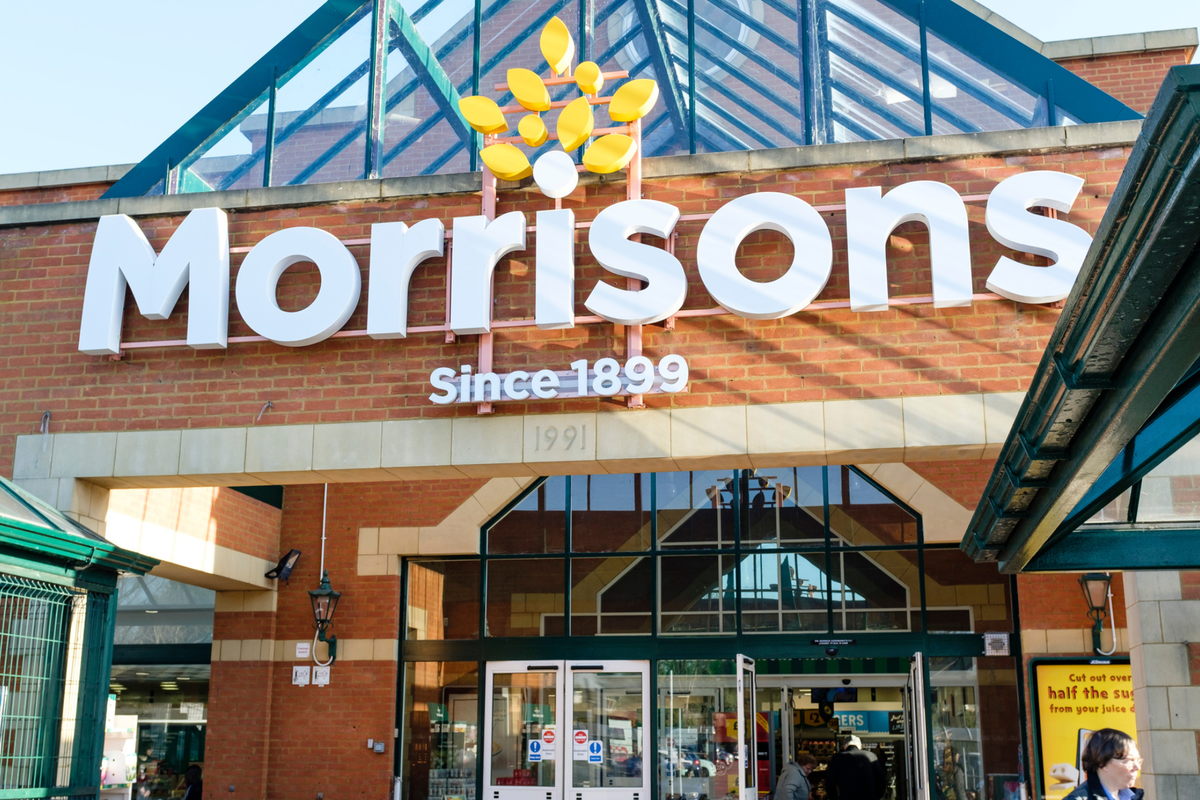
Morrisons Backtracks on Self-Checkout Expansion, Reintroducing Manned Tills
The landscape of modern grocery shopping is in constant flux, with supermarkets continually experimenting to find the perfect balance between efficiency and customer satisfaction. For years, the prevailing trend has been a significant push towards automated self-service tills, promising faster checkouts and streamlined operations. However, a major shift is now underway, with supermarket giant Morrisons announcing a substantial reversal in this strategy. In a move that signals a potential industry-wide recalibration, Morrisons is actively reducing its self-checkout footprint and reintroducing more manned tills across its stores. This significant decision, driven by both shopper dissatisfaction and a rise in shoplifting, marks a pivotal moment in the ongoing evolution of retail.
The supermarket’s chief executive, Rami Baitiéh, candidly admitted that the expansion of self-checkout services "went a bit too far," acknowledging that while the technology initially drove "some productivity," it alienated a significant portion of their customer base, particularly those with a full trolley. This bold admission and the subsequent strategic pivot underline the profound Morrisons Self Checkout Changes currently being implemented, directly addressing critical feedback and operational challenges.
The Unfolding Shift: Why Morrisons is Rethinking Self-Service
Morrisons' decision is not a knee-jerk reaction but the result of a comprehensive analysis of their entire store network. This deep dive revealed compelling reasons to scale back on self-service, placing a renewed emphasis on the human element of grocery shopping. The primary drivers behind these significant Morrisons Self Checkout Changes stem from a combination of shopper sentiment and operational realities.
Rami Baitiéh's Candid Admission
At the heart of Morrisons' new strategy is the refreshingly honest assessment from CEO Rami Baitiéh. His statement, "Morrisons went a bit too far with the self-checkout," encapsulates a crucial learning point for the retail sector. While the initial rationale for expanding self-service was rooted in the pursuit of greater efficiency and "driving productivity," it became clear that this came at a cost to the customer experience. Baitiéh's admission indicates a willingness to listen to feedback and adapt, prioritizing the overall shopping journey over purely automated processes. This kind of transparency from a senior executive is rare and suggests a deep commitment to rectifying past missteps.
Addressing Shopper Frustration and the Full Trolley Dilemma
One of the most vocal points of contention for shoppers has been the frustration associated with using self-checkouts for larger shops. As Baitiéh himself noted, this is "mainly when they have a full trolley." Imagine navigating a complex interface, struggling to scan bulky items, dealing with unexpected 'unexpected item in bagging area' errors, or constantly waiting for staff assistance for age-restricted purchases – all while trying to manage a overflowing trolley. This scenario, common for many family or weekly shops, transforms a potentially quick checkout into a source of considerable stress and delay. Many customers simply prefer the speed and human efficiency of a manned till for larger purchases, valuing interaction and assistance over a perceived but often unrealized promise of autonomy. The Morrisons Self Checkout Changes directly respond to this widespread sentiment, aiming to alleviate frustration and improve the overall flow for high-volume shoppers.
The Unintended Consequence: Rise in Shoplifting
Beyond customer dissatisfaction, a more concerning factor influencing Morrisons' decision was the documented rise in shoplifting linked to the increased prevalence of self-checkouts. The reference context highlights that the company's analysis confirmed this correlation. While self-checkouts offer convenience, they inherently reduce human oversight, creating opportunities for dishonest individuals. Items can be deliberately missed during scanning, wrongly coded as cheaper alternatives, or simply walked out without payment. This "shrinkage" or loss due to theft significantly impacts a supermarket's bottom line. By reintroducing manned tills, Morrisons aims to not only enhance customer service but also to deter theft, demonstrating a dual benefit of their strategic reversal.
Beyond Morrisons: A Wider Industry Trend?
Morrisons is not operating in a vacuum. Their significant policy shift resonates with, and in some cases follows, similar moves by other retailers. This suggests that the initial industry-wide embrace of self-checkouts might be undergoing a broader re-evaluation, where the balance between technology and human interaction is being redefined.
Pioneering Reversal: The Booths Example
Long before Morrisons made its announcement, the high-end northern grocery chain Booths took a bold step in November of the previous year. After conducting its own analysis, Booths largely scrapped self-service checkouts from all but two of its 27 stores. Their rationale was clear: customers had a "more enjoyable experience when interacting with a cashier." For a premium brand like Booths, customer experience is paramount, and they recognized that human interaction at the checkout was a key differentiator. Booths' proactive move served as an early indicator that the tide might be turning, paving the way for other retailers like Morrisons to reconsider their own strategies. The Morrisons Self Checkout Changes can be seen as part of this emerging trend, confirming that customer experience often trumps pure automation.
To dive deeper into the reasons behind these shifts, read our related article: Morrisons Axes Self-Checkouts: Why Shopper Dislike & Shoplifting Led The Shift.
Asda's Approach: More Staff, Not More Tills
While Morrisons is reducing the physical number of self-checkouts and installing new manned tills, rival supermarket Asda has adopted a slightly different, yet equally customer-focused, approach. Asda recently announced a £30 million investment aimed at putting more staff on tills. Crucially, this initiative focuses on increasing the *availability* of staff to manage existing manned checkouts that often sit unoccupied, rather than physically adding more tills. This strategy aims to ensure that customers who prefer human interaction or have larger trolleys are served more promptly, reducing queues and frustration. Both Morrisons and Asda are responding to the same core problem – customer dissatisfaction with checkout experiences – but with distinct operational adjustments, illustrating the diverse ways retailers are seeking to optimize their in-store service.
The Productivity vs. Experience Conundrum
The rapid expansion of self-service checkouts over the last decade was largely driven by the promise of greater efficiency and cost savings. Retailers believed these machines would lead to faster check-out times, reduce labor costs, and ultimately enhance service by offering a quicker alternative for small purchases. However, the reality proved more complex. While some productivity gains were achieved, they often came at the expense of customer experience, particularly for those undertaking larger, more complex shops. The current wave of Morrisons Self Checkout Changes, alongside moves from Booths and Asda, highlights a re-evaluation of this conundrum. It suggests that while technological efficiency is valuable, it must be balanced with the intangible benefits of human interaction, problem-solving, and the overall perception of customer care. The industry is recognizing that true efficiency encompasses not just speed, but also satisfaction and security.
Practical Implications of Morrisons' New Direction
The strategic shift by Morrisons will have tangible impacts for both shoppers and the retailer itself, signaling a commitment to a more balanced and customer-centric retail environment.
What Shoppers Can Expect
For Morrisons customers, these changes promise a more streamlined and potentially less frustrating shopping experience, especially during peak hours or for large grocery hauls. The immediate practical outcome will be more open manned tills, reducing queue times and ensuring that help is readily available. For instance, the Morrisons store in Brough, Yorkshire, has already implemented these changes, removing several self-checkouts and installing four new manned checkouts. Feedback from both colleagues and customers at this pilot store has been "very satisfied with the change," underscoring the positive reception. Shoppers can anticipate greater convenience for complex transactions, such as those involving age-restricted items or loyalty card issues, where a cashier's immediate intervention is invaluable. This re-emphasis on personal service could foster stronger customer loyalty and a more positive perception of the Morrisons brand.
The Retailer's Perspective: Balancing Costs and Benefits
From a purely financial standpoint, increasing manned tills means higher labor costs, which retail chains typically seek to minimize. However, Morrisons' decision underscores a recognition that the benefits derived from these Morrisons Self Checkout Changes outweigh the direct payroll expenses. Reduced shoplifting (shrinkage) can lead to significant cost savings, directly impacting profitability. More importantly, improved customer satisfaction can translate into increased footfall, higher spending per visit, and enhanced brand reputation, all of which contribute to long-term financial health. In a highly competitive market, a superior in-store experience can be a powerful differentiator, driving customer retention and attracting new shoppers.
The Future of Checkout Technology
Morrisons' move does not necessarily spell the end of self-checkout technology. Instead, it suggests a more thoughtful, hybrid approach to checkout solutions. Self-checkouts will likely continue to play a role for small basket shops, quick "grab-and-go" purchases, and during quieter periods. However, the future will likely see them integrated more judiciously, with a greater emphasis on providing ample manned options for those who prefer or require them. Other retailers, like Sainsbury's, are investing heavily in upgrading their digital commerce infrastructure, including new self-checkout technology. This indicates that innovation in self-service will continue, but the lesson from Morrisons is clear: technology must serve the customer, not alienate them. The ideal grocery experience will likely offer a seamless choice between efficient human interaction and convenient self-service, tailored to individual shopping needs.
This evolving landscape raises significant questions about the long-term role of automation in retail. For more insights into this broader trend, explore our article: Is The Self-Checkout Era Over? Morrisons Joins Booths in Reverting to Manned Tills.
Conclusion
Morrisons' bold decision to backtrack on its self-checkout expansion and reintroduce more manned tills represents a significant development in the retail sector. Driven by a frank admission from its CEO, Rami Baitiéh, about going "too far," and influenced by both pervasive shopper frustration and the undeniable rise in shoplifting, these Morrisons Self Checkout Changes underscore a renewed commitment to customer experience. This move, mirroring earlier actions by high-end grocer Booths and aligning with Asda's investment in staff for manned tills, suggests a broader industry shift. While self-checkouts will undoubtedly retain a place in modern retail, Morrisons' strategic pivot highlights the enduring value of human interaction, security, and tailored service in creating a truly positive and efficient shopping journey.