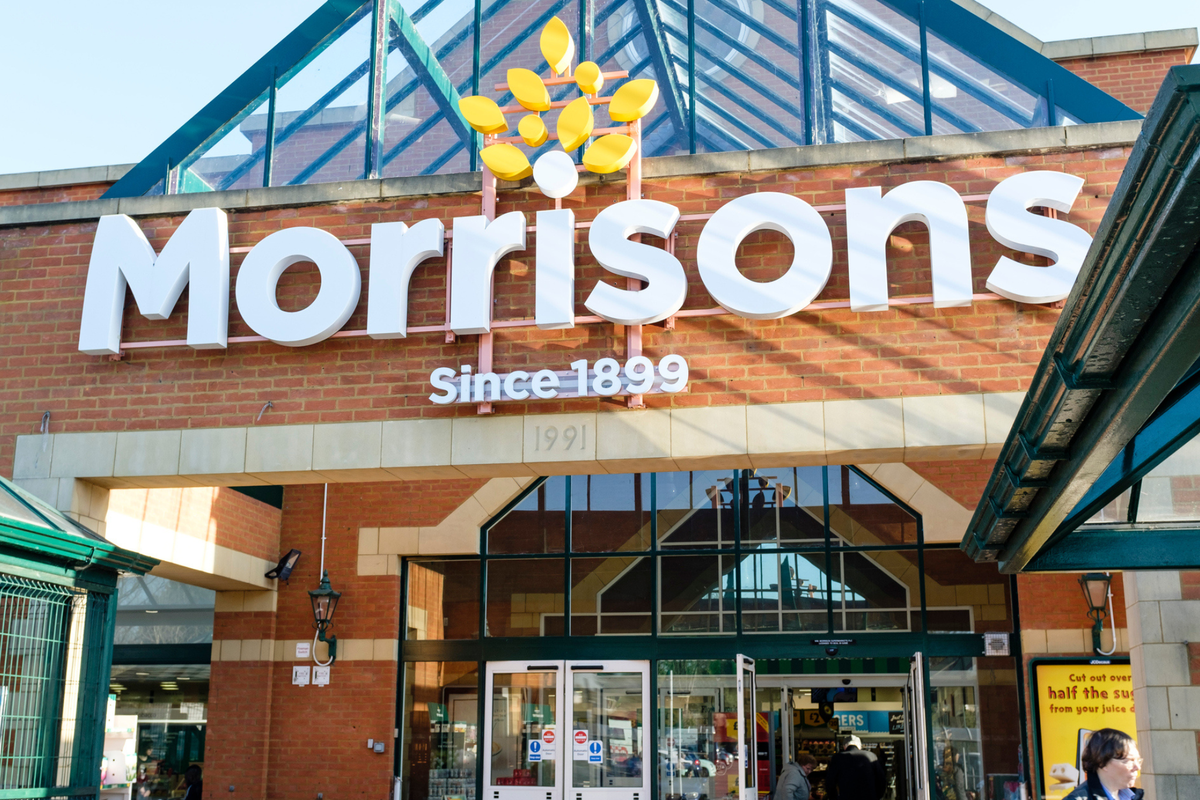
Is The Self-Checkout Era Over? Morrisons Joins Booths in Reverting to Manned Tills
For over a decade, the sight of self-checkout tills steadily replacing traditional manned checkouts has become a ubiquitous feature of modern supermarket shopping. Driven by promises of efficiency, reduced queuing times, and cost savings, these automated systems seemed to represent the undeniable future of retail. Yet, a significant shift is now underway, signaling a potential U-turn in this widespread trend. Supermarket giant Morrisons has announced substantial Morrisons self checkout changes, admitting that their expansion of the technology "went a bit too far." This move echoes earlier decisions by high-end grocer Booths and comes amid growing shopper discontent and rising concerns over shoplifting. Is the pendulum swinging back towards human interaction at the till?
The "Too Far" Admission: Why Morrisons is Scaling Back
The recent announcement from Morrisons represents a candid acknowledgement of the challenges posed by an over-reliance on self-service technology. Rami Baitiéh, Chief Executive of Morrisons, openly admitted, "Morrisons went a bit too far with the self-checkout." While acknowledging the initial advantage of driving some productivity, Baitiéh highlighted two critical downsides that have pushed the supermarket to review its strategy:
- Shopper Dislike, Especially with Full Trolleys: Many customers find the self-checkout experience frustrating, particularly when navigating a substantial shop. Dealing with multiple items, scanning barcodes that refuse to register, unexpected "unexpected item in bagging area" alerts, and the general pressure to self-pack a full trolley can transform a routine task into a stressful ordeal. This sentiment aligns with a broader pushback from shoppers who feel they are doing the supermarket's job without compensation.
- Rise in Shoplifting: The increase in self-checkouts has unfortunately correlated with a rise in instances of shoplifting. The reduced human oversight and the opportunities for "swipe and miss" or deliberate under-scanning present a significant challenge for retailers trying to manage shrinkage – the industry term for losses due to theft, error, or fraud.
Following a comprehensive analysis of their till network, Morrisons has committed to reintroducing more manned tills in stores. A prime example of this Morrisons self checkout changes strategy is already visible in Brough, Yorkshire, where several self-checkout tills have been removed and replaced with four new manned checkouts. Both colleagues and customers at this location have reportedly expressed high satisfaction with the change, underscoring the positive impact of human-centric service.
For more detailed insights into the reasons behind this significant retail shift, you can read Morrisons Axes Self-Checkouts: Why Shopper Dislike & Shoplifting Led The Shift.
Beyond Morrisons: A Wider Industry Shift?
While Morrisons' decision marks a significant development, it is by no means an isolated incident. The tide appears to be turning for several retailers who are re-evaluating the true cost and benefits of automated checkouts:
- Booths Led the Way: High-end northern grocery chain, Booths, made headlines last year by largely abandoning self-service checkouts across most of its 27 stores. Their internal analysis revealed that customers reported a more enjoyable shopping experience when interacting with a cashier. This proactive move highlighted a clear preference for premium customer service over purely transactional efficiency, especially within a brand that prides itself on quality and personal touch.
- Asda's Investment in People: Not all shifts involve removing machines, but rather optimising the human element. Asda has invested £30 million, not in new tills, but in increasing the number of staff available to manage existing manned checkouts. This approach aims to ensure that these tills are consistently occupied and operational, thereby reducing queues and improving the overall customer experience without necessarily reducing the number of self-service options.
- A Contrasting Path: Sainsbury's Digital Upgrade: It's important to note that the industry is not moving in lockstep. While some grocers scale back, others are doubling down on technology. Sainsbury's, for instance, recently signed a seven-year digital commerce deal to upgrade 22,500 checkouts across its extensive estate. This indicates a belief that continued investment in advanced self-checkout technology can still deliver efficiency and improved service, perhaps with more sophisticated and user-friendly systems.
These varying approaches demonstrate a complex retail landscape where different strategies are being tested. However, the shared underlying goal remains the same: to enhance the customer journey and ensure operational viability. This reassessment challenges the long-held assumption that more automation always equates to better service.
The Shopper Perspective: What Customers Really Want
The growing discontent among shoppers regarding self-checkouts is multifaceted. While some appreciate the speed for a small basket of items, many find the overall experience lacking for larger shops. Key grievances often include:
- Frustration with Technology: Glitches, scanning errors, incorrect weight detections, and the frequent need for staff intervention can turn a quick checkout into a prolonged, irritating process. Many feel like unpaid employees, wrestling with uncooperative machines.
- Lack of Human Interaction: For many, grocery shopping isn't just a chore; it's a routine that involves a brief, friendly interaction with another person. Cashiers can provide assistance, answer questions, and offer a human touch that improves the overall mood and experience of shopping. This is particularly valued by older demographics or those who may struggle with technology.
- Perceived Inefficiency for Large Shops: Despite the initial promise, self-checkouts can be slower for full trolleys. The need to scan each item individually, pack efficiently, and navigate payment can be more cumbersome than a skilled cashier doing the same.
- Ethical Concerns: Some shoppers express discomfort with the idea that self-checkouts reduce human employment opportunities, preferring to support businesses that prioritise staff over automation.
The feedback from Booths' customers, highlighting a "more enjoyable experience" with a cashier, underscores the profound impact of human connection in retail. In an increasingly digital world, the value of a friendly face and efficient service at the point of sale should not be underestimated.
The Business Imperative: Balancing Efficiency, Experience, and Loss Prevention
For supermarkets, the decision to invest in or divest from self-checkout technology is a complex balancing act. Traditionally, the perceived benefits included:
- Cost Savings: Reduced labour costs were a significant driver for the initial rollout of self-checkouts.
- Space Optimisation: Self-checkout banks often take up less physical space than traditional manned tills, allowing for more product displays or other services.
- Queue Management: For shoppers with only a few items, self-checkouts can indeed offer a quicker route out of the store, theoretically reducing overall queue times.
However, the recent Morrisons self checkout changes, alongside Booths' earlier move, reveal that these benefits must be weighed against critical drawbacks:
- Customer Satisfaction: A poor checkout experience can significantly diminish overall brand perception and loyalty. Unhappy customers may simply choose to shop elsewhere.
- Shrinkage and Loss: The rise in shoplifting directly impacts profitability. What might be saved in labour costs could easily be lost, or even surpassed, by increased theft.
- Staffing Challenges: While reducing front-line cashier roles, self-checkouts often require dedicated staff to assist customers, troubleshoot issues, and monitor for theft. This can merely reallocate labour rather than eliminate it entirely, often requiring staff with different skill sets.
The shift observed with Morrisons is a strategic response to these challenges. By reintroducing manned tills, they aim to improve customer satisfaction, potentially reduce losses from theft, and create a more positive shopping environment. This signifies a more holistic view of efficiency, one that includes the intangible benefits of a happy customer base and a secure inventory.
For further analysis on how Morrisons is realigning its checkout strategy, explore Morrisons Backtracks on Self-Checkout Expansion, Reintroducing Manned Tills.
Conclusion
The era of unchecked self-checkout expansion appears to be drawing to a close, with major players like Morrisons and Booths leading a re-evaluation of retail strategy. The admission that self-checkout technology "went too far" underscores a critical lesson for the industry: while automation offers tantalising benefits, it must not come at the expense of genuine customer experience, operational security, or fundamental human interaction. The future of the checkout aisle is likely to be a hybrid one, where a carefully considered balance of efficient self-service options coexists with the invaluable presence of manned tills, ensuring that every shopper, regardless of their basket size or preference, finds a checkout experience that is both convenient and satisfying. Retailers are learning that true efficiency encompasses not just speed and cost, but also customer loyalty and a secure, enjoyable shopping environment.